Destinations index · Updated April 2026

Three countries, three different reasons to go.

Mexico, Costa Rica and Colombia are the three current ToothAbroad country guides for American dental tourists in 2026. Each has a different shape: proximity, documentation, value, city logistics and aftercare friction. We compare the trade-offs clearly so you can collect better written evidence before paying a deposit.

Mexico
🇲🇽 Mexico

Mexico

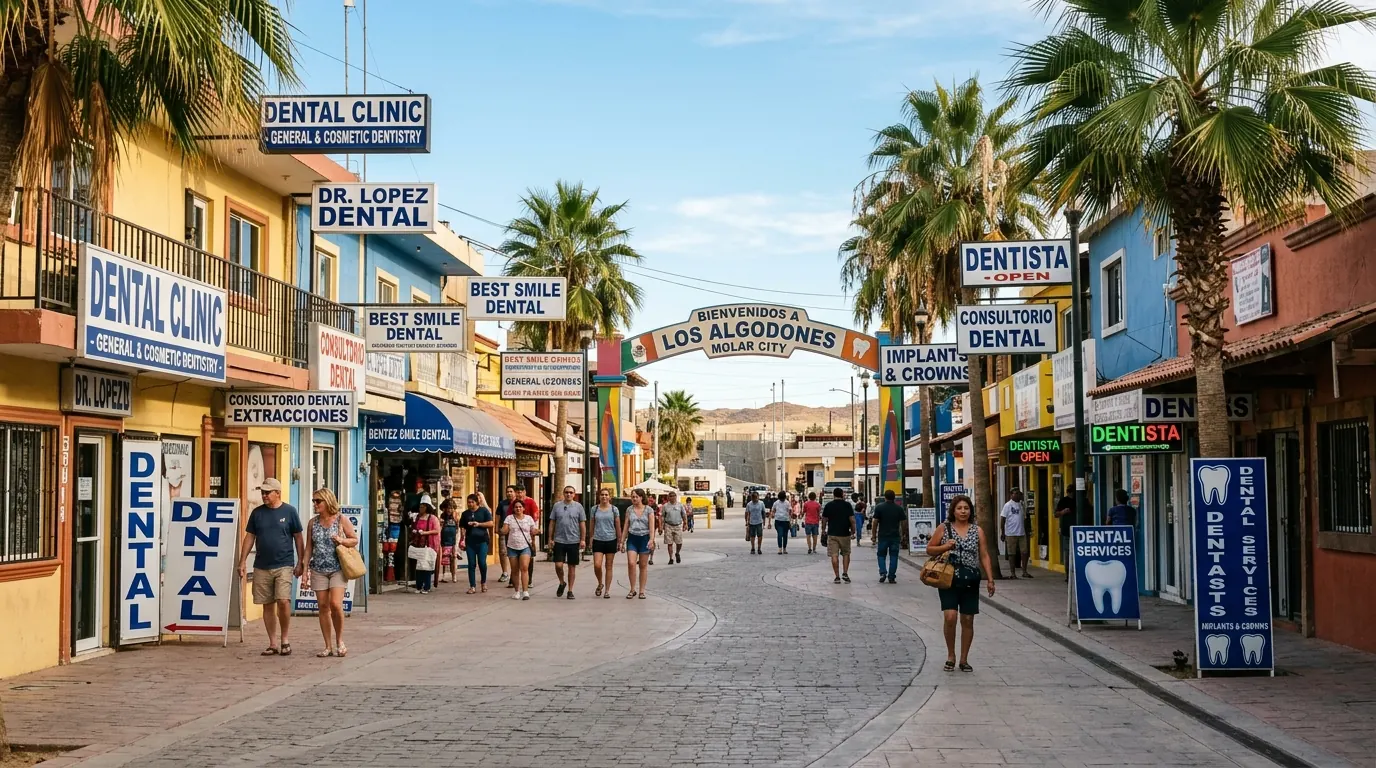
World's largest dental tourism destination. Three cities, three playbooks: Algodones for budget, Tijuana for specialists, Cancún for resort recovery.

Avg. savings
55–80%
Travel from US
0–4h from US
Planning fit: Americans within driving distance of the border, or anyone wanting the broadest reviewed clinic pool.
Key facts
  • 1M+ Americans cross for dental work each year
  • Same materials (Straumann, Nobel Biocare, e.max) as US clinics
  • COMEM specialist board certifies prosthodontists/oral surgeons
  • English-fluent staff in all three border + resort hubs
Open the Mexico guide
Costa Rica
🇨🇷 Costa Rica

Costa Rica

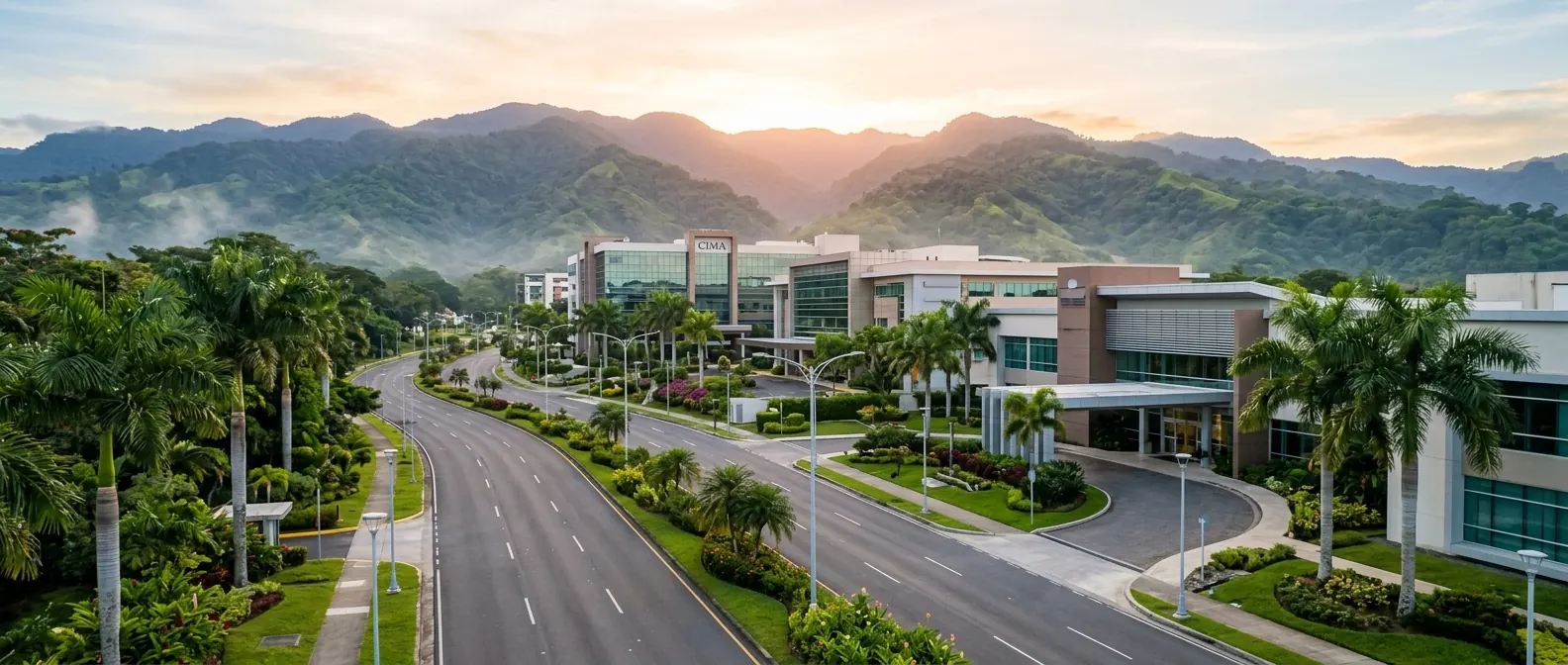
A documentation-first dental tourism option around San José, Escazú and Santa Ana. Often a fit when written records, itemized invoices, bilingual coordination and calmer clinic logistics matter more than the lowest headline price.

Avg. savings
50–70%
Travel from US
3–6h from US
Planning fit: Patients comparing larger cases who want a paperwork-heavy workflow and are willing to pay more than Mexico for smoother documentation.
Key facts
  • Ask for English itemized invoices before assuming insurance reimbursement
  • Clinic quality is provider-specific: verify dentist credentials, materials, warranty and aftercare
  • Base recovery around San José/Escazú/Santa Ana rather than a beach town immediately after surgery
  • Good fit for patients who value written records and organized coordination
Open the Costa Rica guide
Colombia
🇨🇴 Colombia

Colombia

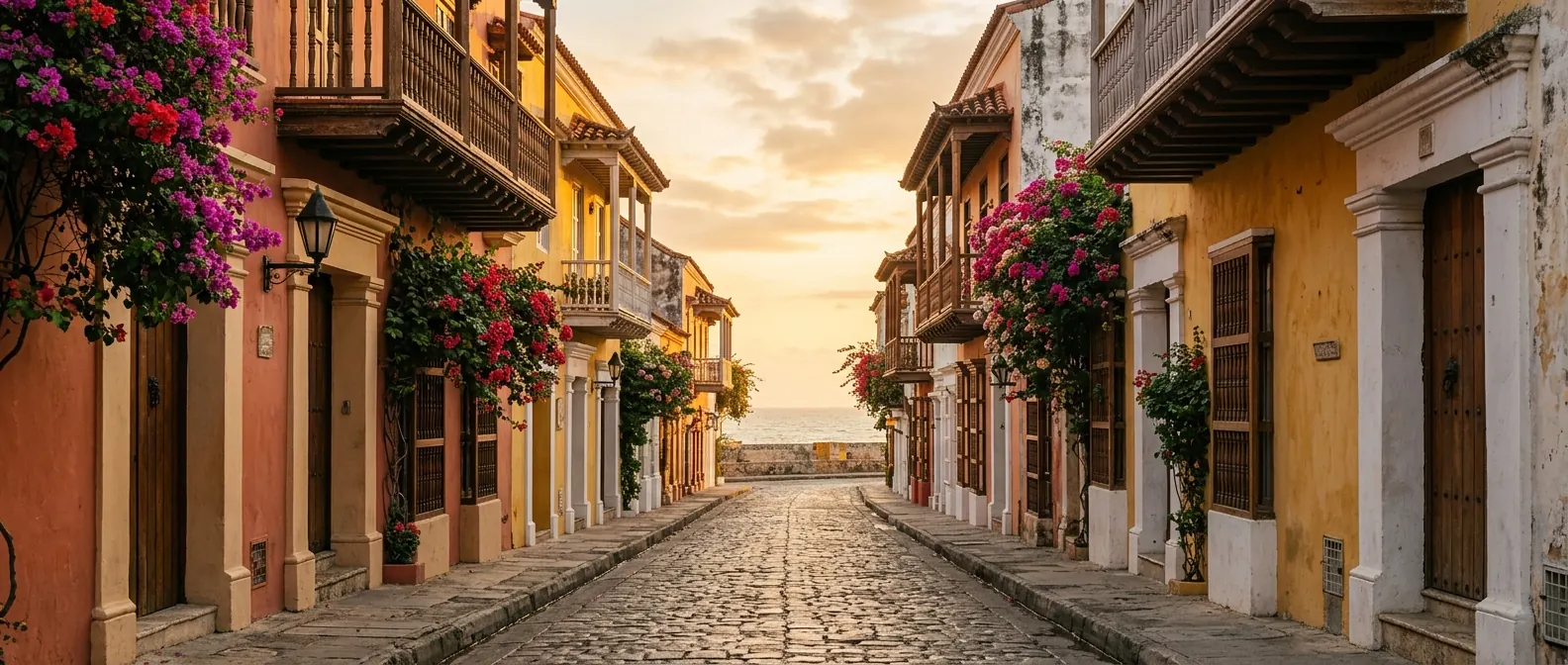
A high-value dental tourism option for larger cosmetic, crown, implant and full-mouth cases when the clinic provides a complete written plan. Medellín, Cartagena and Bogotá each have different strengths and travel rules.

Avg. savings
60–75%
Travel from US
5–7h from US
Planning fit: Patients flexible on flight time who want to compare Medellín, Cartagena or Bogotá quotes and can follow a disciplined travel/aftercare plan.
Key facts
  • Strong value potential, but return logistics are harder than Mexico
  • Verify English coordination, dentist registration, material brands and lab timeline in writing
  • Use conservative transport/hotel planning and avoid nightlife during recovery
  • Planning fit: larger cases where the savings justify longer travel and stricter preparation
Open the Colombia guide

Side-by-side: which country fits your case?

Quick reference. For a deeper dive on any single factor, click through to the country guide.

Factor🇲🇽 Mexico🇨🇷 Costa Rica🇨🇴 Colombia
Average savings vs. US55–80%50–70%60–75%
Planning fitBorder access or Cancun recoveryDocumentation-first workflowLarger cases + value
Travel time from US0–4h (drive or short flight)3–6h flight5–7h flight
Single implant planning range$900–1,500$1,200–1,600$900–1,300
All-on-4 zirconia planning range$13,500–18,000$17,000–20,000$13,500–16,500
LanguageEnglish common in hubsEnglish often availableMixed — verify first
Vacation pairingBeach (Cancún), border trip, San DiegoRainforest, volcanoes, beaches after clearanceFood, museums, coast/mountains after clearance
Reviewed clinic poolLargest current focusExpandingExpanding

From your US city

How locals actually go

Drive time, border crossings, and which destination makes sense from where you live. Real US-vs-Mexico cost examples for each city.

Frequently asked

Which country is best for dental tourism — Mexico, Costa Rica, or Colombia?

There is no universally safest or best country. Mexico usually wins for proximity, border logistics and the largest current ToothAbroad clinic pool. Costa Rica can fit patients who value written records, itemized invoices and organized bilingual coordination. Colombia can be strong value for larger cosmetic or full-mouth cases if the travel and aftercare plan are disciplined. The specific clinic, dentist, materials, warranty and follow-up plan matter more than the country label.

Is dental tourism in Latin America actually safe?

It can be lower risk when the clinic evidence is strong, but safety is clinic-specific rather than country-specific. Ask for the treating dentist's credentials, written treatment plan, material or implant details, sterilization process, warranty limits and aftercare path. ToothAbroad helps organize questions and compare written evidence; it does not diagnose, recommend treatment or guarantee outcomes.

Do I need a passport? What about visas?

Mexico: passport book required for air travel; passport card is fine for land border at Algodones/Tijuana. No visa needed for Americans for stays under 180 days. Costa Rica: passport required, no visa for stays under 90 days. Colombia: passport required, no visa for stays under 90 days. Always carry a paper printout of your hotel reservation and clinic appointment confirmation at immigration.

What about post-op complications? What if I'm back in the US and something goes wrong?

Ask before booking how any complication or adjustment would be handled after you return home: written warranty duration, exclusions, whether rework must happen at the original clinic, and whether a local dentist can help. Do not assume return travel, materials or US-side repair are covered unless the written quote says so.

Should I get treatment in Europe instead (Hungary, Turkey)?

We currently focus on Latin American destinations because they're closer to the US, share similar payment infrastructure, and have strong specialist regulation. Hungary and Turkey can be cheaper in absolute terms, but the recovery flight (8–12h transatlantic) is risky for implant patients, and the warranty enforcement is harder when you're 5,000+ miles away. We may add European destinations later as we vet clinics there to our standards.

Continue your research